We keep landing raw data in warehouses and expecting magic to happen. It doesn't.
Bill Inmon wrote about "integration" as a core principle of data warehousing. Most people hear that and think: "Great, I'll dump everything from my systems into a data lake and call it integrated." That's not what he meant.
Integration Isn't Just Replication
Getting data into your warehouse is table stakes. That's replication, not integration.
Integration means blending and transforming data so teams can actually use it. Your CRM has accounts. Your ERP has orders. Until you connect those two things in a way that makes sense to your business, you just have two separate piles of data sitting in the same database.
The Real Problem
When data sits in heavily normalized, unintuitive schemas, analysts waste time trying to break insights out of it. They're piecing together joins, troubleshooting cartesian products, and basically doing data engineering work instead of analysis.
This is an engineering failure, not an analyst skill problem.
What Good Engineering Looks Like
Integration means doing the work upfront so your teams don't have to. It means:
Building models that match how the business thinks
Denormalizing so joins don't trip people up
Enriching data so context is already there
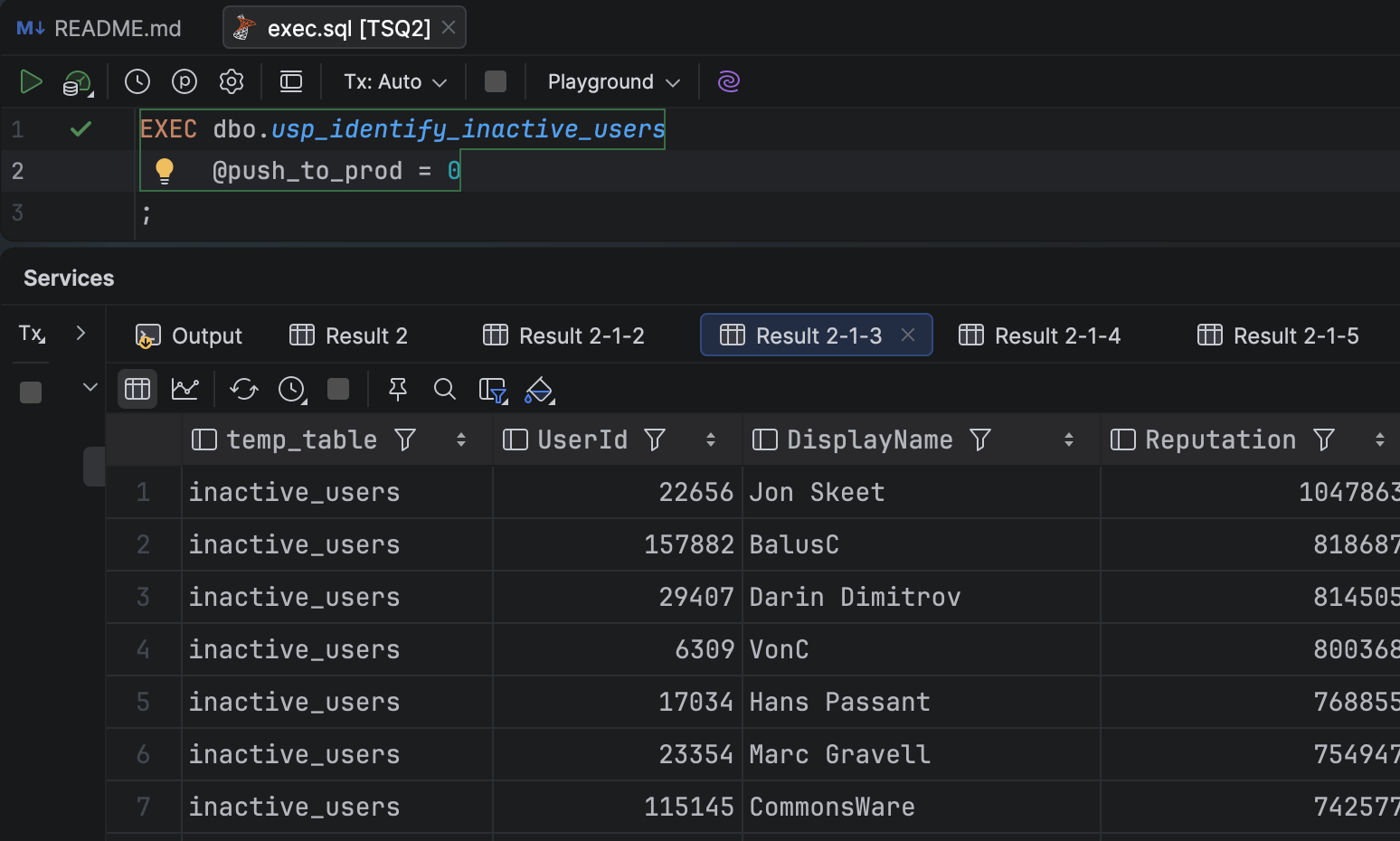
In practice, that means using temp tables to make each transformation step visible and testable, and patterns like @push_to_prod that force you to verify what lands before it writes.
This isn't glamorous work. It's boring, practical data engineering. But it's the difference between a warehouse that sits there and a warehouse that people actually use.
Inmon's "integration" wasn't about getting data in. It was about making data useful once it's there.